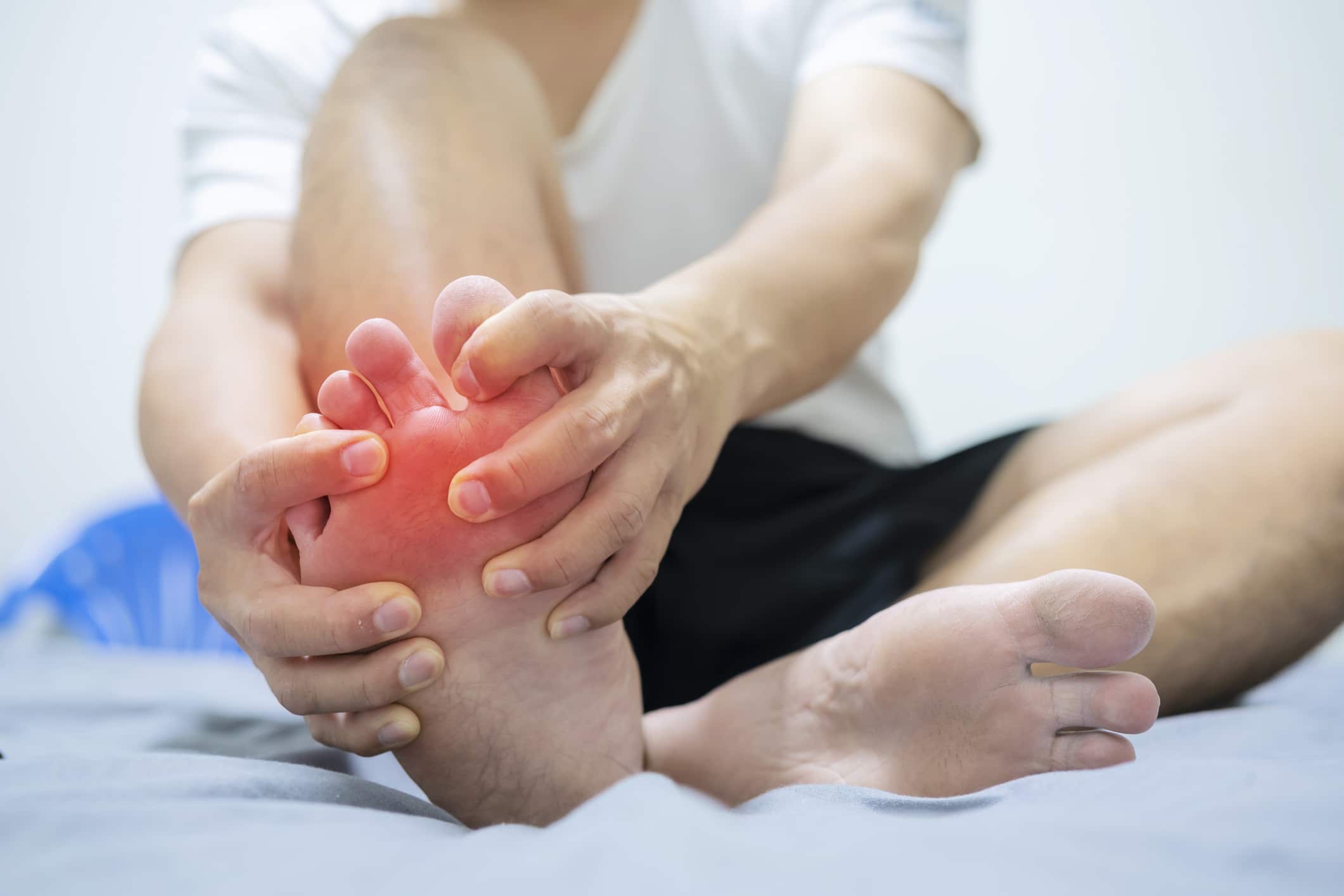
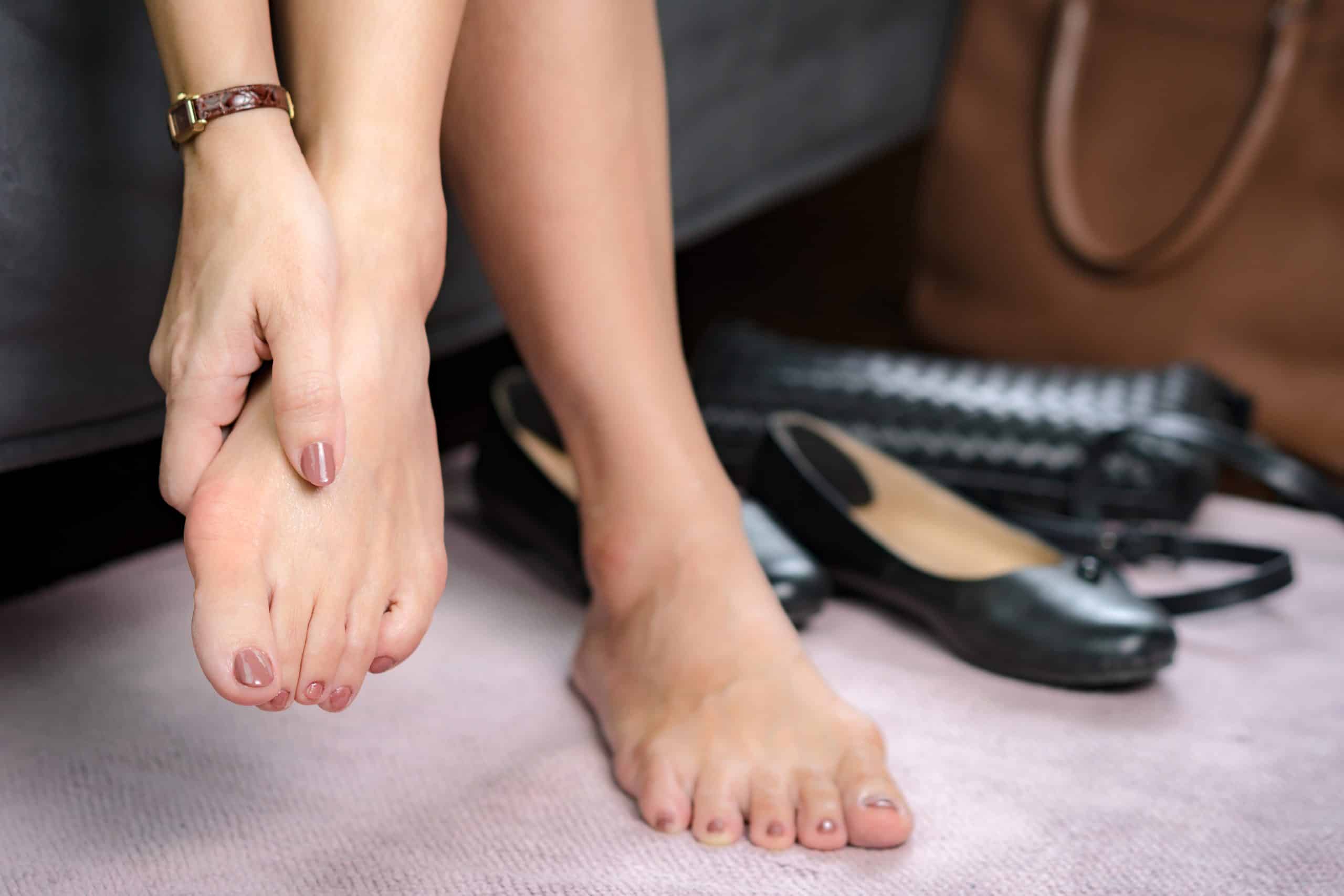
If you want to relieve bunion pain without surgery, you’re likely dealing with daily discomfort that makes walking, standing, or wearing shoes harder than it should be. Bunions don’t appear overnight, and they don’t disappear quickly either. Still, many people find meaningful relief without surgical treatment.
The key is knowing what actually helps versus what rarely delivers lasting results. Some approaches reduce pressure and irritation. Others may feel helpful for a short time, but don’t change how the joint functions.
Understanding realistic, evidence-based options can help you manage pain, protect mobility, and decide when it makes sense to see a podiatrist.
At a Glance
- Bunion pain can often improve with non-surgical care that reduces pressure on the joint.
- Footwear changes and orthotics play a major role in symptom control.
- Some bunion devices help with comfort but don’t correct the deformity.
- Ongoing or worsening pain should be evaluated by a podiatrist.
What Causes Bunion Pain?
If you’ve ever heard the term, “I inherited my mother’s feet,” it may be true. Research shows that you are more likely to form a Bunion if they run in the family!
A bunion develops when the big toe slowly shifts toward the second toe, changing the alignment of the joint. As that shift progresses, pressure builds at the base of the toe, especially during walking or standing.
Pain often comes from inflammation, friction inside shoes, or strain on surrounding tissues. In Michigan, seasonal footwear can add to the problem. Tight winter boots, stiff soles, and reduced flexibility in cold weather can all increase irritation around the joint.
Bunions don’t reverse on their own, but addressing stress on the joint early can make daily life much more comfortable.
Bunion Pain Treatment at Home: What Helps Most
Many patients start with bunion pain treatment at home, and that’s often appropriate in the early stages. Home care focuses on easing irritation rather than changing bone structure.
Helpful strategies include:
- Taking pressure off the joint during long days on your feet.
- Icing the area after activity to calm inflammation.
- Avoiding shoes that squeeze the forefoot.
These steps won’t fix the bunion, but they can reduce soreness and help you stay active with less discomfort.
Best Shoes for Bunions and Foot Pain
Footwear has a direct impact on bunion symptoms. The best shoes for bunions and foot pain allow the forefoot to spread naturally instead of forcing the toes together.
Look for shoes with a wide toe box, soft uppers, and good support under the arch. Avoiding shoes with a heel will help reduce pressure on the front of the foot.
Shoes with narrow or pointed fronts tend to increase friction and inflammation over time. Switching to better footwear doesn’t reverse a bunion, but it often leads to noticeable improvement in comfort during everyday activities.
Do Bunion Correctors Really Work?
Patients often ask, ‘Do bunion correctors really work?’, especially devices marketed to straighten the toe. Most correctors provide temporary alignment while they’re worn.
They can help by reducing friction between toes or improving comfort during rest. Once removed, though, the toe returns to its usual position. These devices don’t reshape bone or stop progression.
Correctors can be useful for symptom relief, but expectations should stay realistic.
Can Wearing a Bunion Splint at Night Help?
A bunion splint at night gently holds the big toe in a straighter position while the foot is at rest. Some people notice less stiffness or soreness in the morning when using one consistently.
Night splints may:
- Reduce overnight joint stiffness.
- Limit pressure from sheets or bedding.
- Improve short-term comfort.
However, it’s important to set realistic expectations. You may have seen videos online showing a splint “pulling” the toe back into place instantly—almost like the joint is popping into proper alignment. These videos are often AI-generated or misleading, and they do not reflect how bunion splints actually work.
Bunions are structural changes in the joint that develop over time, and no splint can reverse that deformity overnight. While splints can be a helpful comfort tool for mild to moderate symptoms, they are best used as part of a broader treatment plan guided by a podiatrist.
Can Orthotics Help Bunions?
Orthotics don’t straighten the toe, but they can change how forces move through the foot.
When foot mechanics contribute to bunion stress, orthotics may reduce strain on the big toe joint during walking. They can also improve overall alignment and help distribute pressure more evenly.
Custom orthotics, in particular, can support long-term comfort by addressing how your foot functions rather than focusing only on the bump itself. At Lakes Foot & Ankle Associates, we can determine if orthotics are likely to help based on your gait and structure.
How to Stop Bunion Pain From Getting Worse
Consistency matters more than intensity. Small daily habits often have the biggest impact over time.
Supportive footwear, early symptom management, and proper foot support can help slow progression. Ignoring pain or pushing through discomfort tends to increase irritation and strain.
Addressing bunion pain early helps protect mobility and reduce flare-ups during everyday activities like walking, working, or exercising.
When Seeing a Podiatrist Makes Sense
At-home care has limits. Pain that continues, worsens, or interferes with walking deserves professional attention.
A podiatrist can evaluate alignment, foot mechanics, and joint health to identify why pain persists. Non-surgical treatment plans may include footwear guidance, orthotics, and targeted strategies to reduce stress on the joint.
At Lakes Foot & Ankle Associates, our care focuses on evidence-based, conservative options whenever possible, with the goal of helping patients in the Commerce Township area stay active and comfortable.
Managing Bunion Pain & Finding Relief
Non-surgical bunion care works best when it reduces pressure, improves mechanics, and stays consistent. Shoes, orthotics, and realistic expectations all matter. Knowing what helps and what falls short allows you to make informed choices and protect long-term foot health.
Bunion pain doesn’t have to control your routine. If symptoms persist or seem to worsen, a professional evaluation from Lakes Foot & Ankle can help clarify next steps.
Ready to Get Help for Bunion Pain?
At Lakes Foot & Ankle Associates, we provide personalized, evidence-based care designed to support comfort, mobility, and long-term foot health. Schedule an appointment today to get clear answers and practical relief.
Call (248) 360-3888 or request an appointment online to get guidance, treatment options, and support for long-term foot health.