
Expert Tendinitis Treatment in Commerce Twp, MI
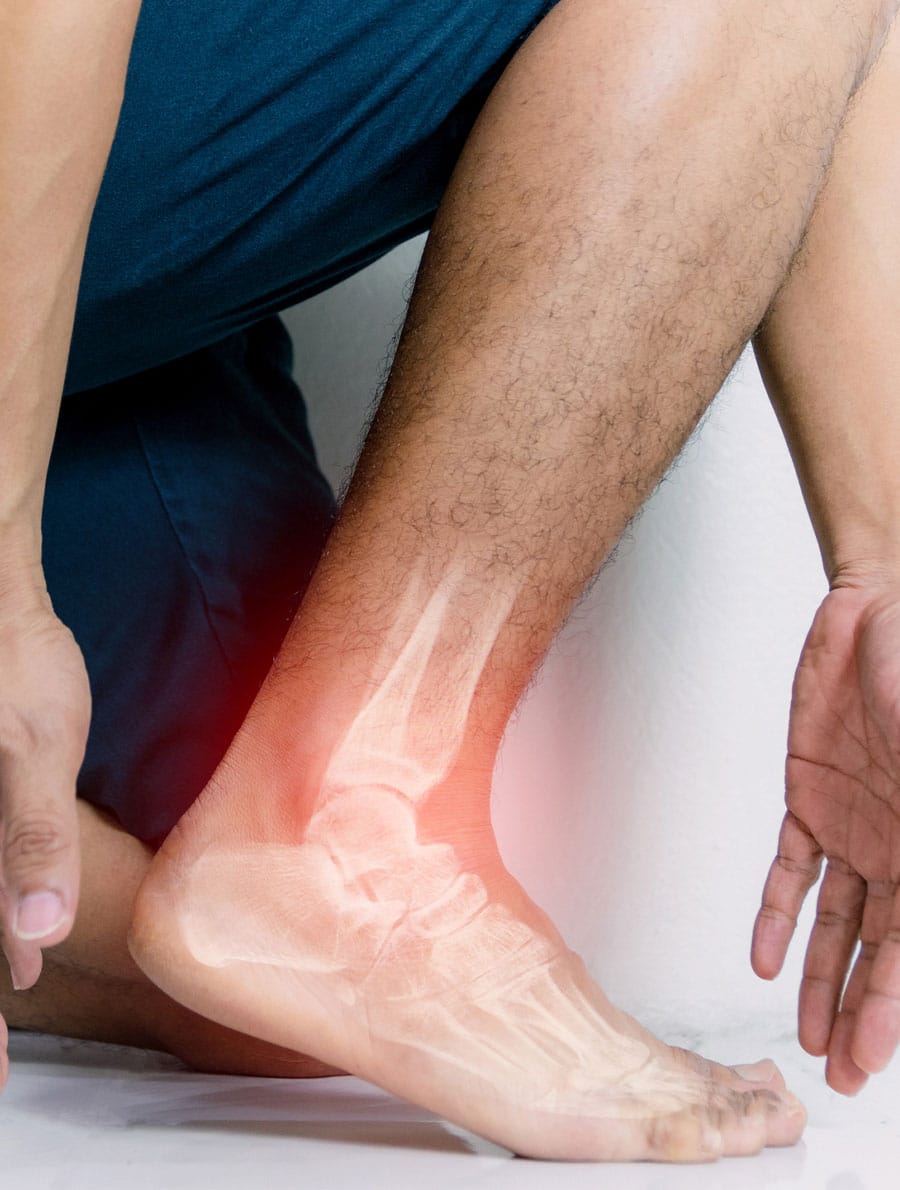
Pain along your foot or ankle tendons can make every step feel like a challenge. One common cause of said pain could be tendinitis, which occurs when these strong connective tissues become irritated or inflamed. The condition can result from overuse, sudden increases in activity, or repetitive strain injuries. What begins as a mild ache can progress to sharp, persistent discomfort that limits your ability to walk, run, or stand for long periods.
At Lakes Foot & Ankle Associates, our tendinitis specialists help patients find relief from both acute tendon inflammation and chronic tendon pain. Using advanced diagnostics and personalized treatment plans, our team focuses on reducing tendon inflammation, restoring mobility, and preventing future flare-ups.
Whether you need sports injury tendinitis care, help with an overuse injury, or ongoing pain management for tendinitis, we’ll guide you toward lasting recovery.

Causes of Tendinitis in the Foot and Ankle
The causes of tendinitis in the foot and ankle vary, but they all involve excessive strain on the tendon. Tendons in the feet and ankles are built to handle stress, but when the load is too great or repetitive, irritation and inflammation can set in.
This overuse injury often builds gradually, though it can also appear suddenly after an intense activity or awkward movement. In many cases, patients benefit from early evaluation and repetitive strain injury treatment to prevent the condition from becoming chronic.
Some of the most common contributors include:
- Repetitive sports movements such as running, jumping, or quick pivots
- Wearing shoes that lack proper cushioning or support
- Increasing workout intensity or duration too quickly
- Foot structure issues like flat arches or high arches
- Previous injuries that change how weight is distributed when walking
- Standing or walking for long stretches without adequate rest
Achilles tendinitis, posterior tibial tendinitis, and peroneal tendinitis are the types we treat most often. Each responds best to early evaluation by an experienced tendinitis doctor.
How to Prevent Tendinitis
Protecting your tendons means keeping them strong, flexible, and free from unnecessary stress. A few smart habits can go a long way toward avoiding painful flare-ups and improving recovery after tendon pain treatment.
- Wearing supportive shoes suited for your activity
- Performing tendinitis exercises to stretch and strengthen muscles
- Increasing training or activity levels gradually
- Alternating high-impact activities with low-impact options like cycling or swimming
- Using custom orthotics to correct alignment issues when needed
- Resting when you notice early signs of soreness or stiffness
How to Treat Tendinitis in the Foot and Ankle
The best treatment for tendinitis in the foot or ankle depends on the specific tendon involved, how inflamed it is, and how long symptoms have been present. At Lakes Foot & Ankle Associates, we begin with a thorough examination and, if needed, advanced imaging to confirm the tendinitis diagnosis and identify the underlying cause.
Non-surgical tendinitis treatment often starts with reducing tendon stress through rest and activity adjustments, combined with ice therapy to control swelling. Physical therapy for tendinitis helps restore strength and flexibility, while anti-inflammatory medication can ease pain.
For severe inflammation, a cortisone shot for tendinitis may be considered. Additional pain management for tendinitis can involve bracing or taping. Advanced therapies like MLS Laser Therapy can accelerate recovery for both acute tendinitis treatment and chronic tendinitis treatment cases.
Our goal is to relieve tendon pain, reduce tendon inflammation, and help you return to your activities with confidence.
Top Tendinitis Treatment Options
Tendinitis symptoms in the foot and ankle often begin with a dull ache or stiffness along the tendon, especially after physical activity. Over time, symptoms can progress to sharper pain, noticeable swelling, and tenderness when the area is touched. Pain may be worse in the morning or after long periods of inactivity.
In more advanced cases, you might also feel warmth over the tendon, hear or feel a subtle creaking sensation when moving the joint, or notice decreased range of motion. Recognizing these signs early makes it easier to treat the problem before it becomes a chronic issue.
Diagnosis starts with a detailed conversation about your symptoms, daily activities, and any past injuries. This is followed by a hands-on exam to assess tenderness, swelling, and flexibility. We may also watch you walk or run to evaluate your biomechanics.
If more information is needed, imaging such as ultrasound or MRI can provide a clear view of the tendon’s condition. These tests help confirm the diagnosis, identify any partial tears, and guide the most effective treatment plan.
When tendinitis becomes a repeated problem, treating symptoms alone isn’t enough. We look for what’s causing the ongoing strain; often related to the way you walk, your foot structure, or repetitive stress from certain activities. To break the cycle, we may recommend:
- Custom orthotics to correct alignment and relieve tendon stress
- Targeted strengthening exercises to support the tendon and surrounding muscles
- Training adjustments to reduce repetitive strain and improve movement patterns
Rest, ice, compression, and elevation (RICE), alongside non-prescription anti-inflammatory medications, can help manage mild tendon pain in the short term. Many cases respond well to non-surgical care, which is also effective for overuse injury treatment involving the foot and ankle.
However, if pain lingers beyond a week, worsens with activity, or is accompanied by swelling and stiffness, it’s time for a professional evaluation. Over-relying on OTC treatments without addressing the cause can lead to bigger problems later.
Continuing intense activity on an inflamed tendon increases the risk of worsening the injury or even causing a tear. It’s important to give the tendon time to heal while still finding safe ways to stay active.
We often recommend low-impact alternatives, such as swimming, cycling, or strength training for unaffected areas. Once the tendon heals, a gradual return-to-activity plan can help you resume training without setbacks.
Start Your Recovery Today
Pain from foot or ankle tendinitis doesn’t have to linger or keep you from doing what you enjoy. The sooner the condition is evaluated, the easier it is to calm irritation, restore mobility, and prevent further damage in the injured area.
At Lakes Foot & Ankle Associates, you’ll find an experienced orthopedic doctor for tendinitis who offers precise diagnosis and a full range of treatments right here in Commerce Township. We’ll create a plan that fits your activity level, goals, and lifestyle so you can return to walking, running, and daily routines without hesitation.