Shockwave Therapy for Heel Spurs in Commerce Township
Lasting relief for that sharp, stabbing heel pain, all without surgery or sitting out on the sidelines.
If your first steps out of bed feel like stepping on a tack, or a deep ache settles into your heel after every run, hike, or long day on your feet, you may be dealing with a heel spur: a small bony growth that forms on the underside of the heel bone. It’s one of the most common sources of chronic heel pain we see, and one of the most frustrating to live with. The good news? You almost certainly don’t need surgery to fix it.
At Lakes Foot & Ankle Associates, Dr. Dan Shanahan, DPM, and Dr. Jennifer Petronella, DPM, treat heel spurs by looking at the whole picture, including how you move, what your feet are being asked to do, and what’s keeping you from the activities you love. From there, we build a non-surgical treatment plan designed to address the root cause, not just mask the symptoms.
And here’s something worth saying out loud: you didn’t necessarily do anything wrong. Heel spurs usually develop slowly over time from repeated stress on the heel: running, training, footwear that wasn’t quite right, or simply the way your foot is built. Whatever brought you in, we’ll meet you where you are and help you get back on track.

Our Non-Surgical Heel Spur Treatment Option
Heel spurs themselves are bony growths, but the pain you feel usually isn’t coming from the bone. It’s coming from the inflamed soft tissue around it, especially the plantar fascia and surrounding tendons. That’s exactly where Radial Shockwave Therapy (RSWT) does its best work.
Rather than removing the spur surgically, shockwave therapy targets the chronic inflammation, irritated tissue, and stalled healing that make a heel spur so painful. Here’s what the process looks like at our Commerce Township office:
Turf Toe Symptoms
Is your big toe feeling a little off? If you’re experiencing any of the following symptoms, you might have turf toe:
- Comprehensive Evaluation: A thorough exam, gait assessment, and imaging when needed to confirm the heel spur and identify related issues.
- Personalized Treatment Plan: A plan built around your symptoms, activity level, and goals, whether that’s running, hiking, or walking pain-free.
- In-Office Shockwave Sessions: Quick, few-minute treatments that deliver acoustic pressure waves directly to the affected area to stimulate healing.
- Treatment Series: Most patients benefit from 3–5 sessions spaced about a week apart.
- Supportive In-House Therapies: Stretching, mobility, and range-of-motion training to address the biomechanics behind the spur.
- Ongoing Progress Checks: We track your response and adjust as needed, so you always know what comes next.
The shockwave therapy benefits for heel spurs are clear: less pain, faster healing, and a real path back to your active lifestyle, without surgery or extended downtime.
Your podiatrist will determine whether shockwave therapy is the right fit for your heel spurs based on your diagnosis, symptoms, and overall health. In many cases, we combine RSWT with other in-office options, like MLS Laser Therapy and custom orthotics, to deliver more complete, longer-lasting relief.
Heel Spur Symptoms and Treatment
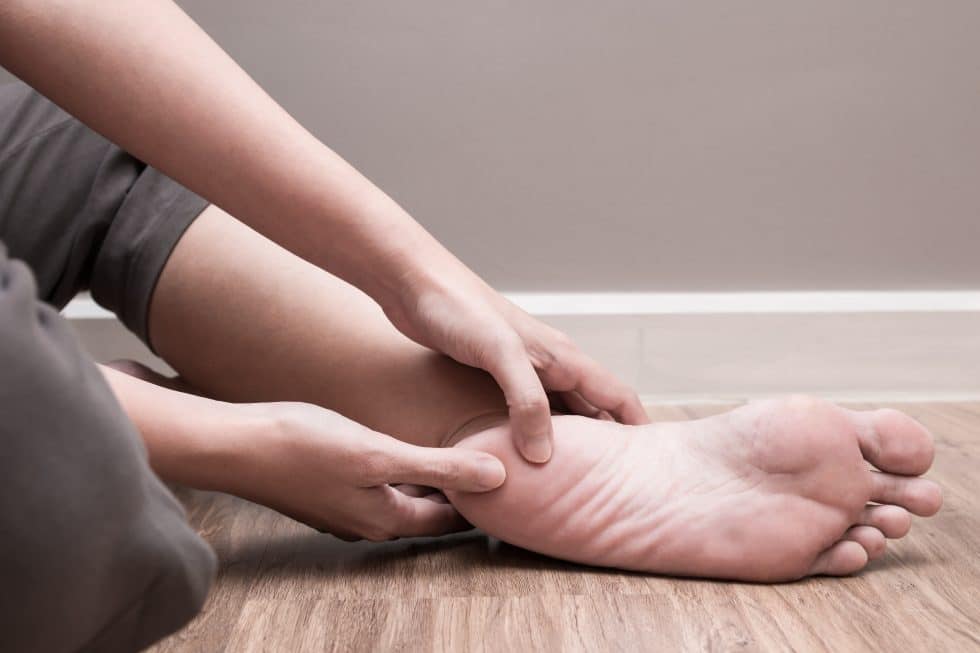
Heel spurs don’t always announce themselves the same way for everyone. Some patients feel a sharp, stabbing pain with their first steps in the morning that eases up as they get moving. Others describe a dull, deep ache that builds throughout the day or flares up after a run, hike, or long shift on their feet. The most common symptoms we see include:
- Sharp pain at the bottom or back of the heel, especially with the first steps of the day
- Tenderness or a bruise-like feeling when pressing on the heel
- Aching or burning that worsens after activity or extended standing
- Stiffness in the heel and arch, particularly after periods of rest
- Visible swelling or inflammation in chronic cases
Effective heel spur pain management starts with the right diagnosis, and from there, the right combination of treatments. Many patients respond well to conservative treatments aimed at relieving pain and reducing inflammation, including:
- Rest and activity modification to take stress off the heel
- Ice and anti-inflammatory medications to calm acute flare-ups
- Supportive footwear with proper arch and heel cushioning
- Targeted stretching for the plantar fascia and calf
- Over-the-counter inserts or heel cups for added shock absorption
When heel pain has lingered for months and isn’t responding to those basics, that’s where chronic heel spur therapy becomes important. At Lakes Foot & Ankle, we layer in advanced, non-surgical options designed to address the root cause and deliver lasting relief.
How Does Shockwave Heel Pain Treatment Work?
Over time, blood flow to the area affected by bone spurs slows, inflammation becomes chronic, and your body’s natural healing response stalls. That’s why heel spur pain so often lingers even after rest and conservative care.
Heel pain therapy, including Radial Shockwave Therapy, delivers controlled acoustic pressure waves into the inflamed tissue around the heel to offer foot pain relief. These waves create a targeted micro-stimulation that “reawakens” the body’s natural healing process, increasing circulation and triggering biochemical signals that support real tissue repair.
For patients with heel spurs, this process helps:
- Stimulate new blood vessel formation around the heel and plantar fascia
- Improve oxygen and nutrient delivery to damaged tissue
- Reduce the chronic inflammation driving your pain
- Promote collagen production and healing in the plantar fascia
- Break the cycle of stalled healing that keeps heel spur pain coming back
Rather than masking pain, RSWT supports your body’s ability to heal the tissue causing the discomfort, making it one of the most effective non-surgical options for chronic heel pain and heel spur relief in Commerce Township.
Shockwave Therapy vs Surgery for Bone Spurs
Surgery is rarely the first answer for heel spurs, and in most cases, it doesn’t need to be the answer at all. Because the pain typically arises from the inflamed soft tissue around the spur rather than the spur itself, addressing the underlying inflammation often resolves the symptoms without ever touching the spur.
Non-invasive heel spur therapy using shockwave treatment gives us a way to do exactly that. Compared to surgical removal of a heel spur, RSWT offers several clear advantages:
Surgery may still be appropriate in rare cases involving severe structural damage or when non-surgical options for heel spur pain management haven’t provided relief after a thorough course of care.
At Lakes Foot & Ankle, we take a step-by-step approach, starting with the least invasive, most evidence-based options first and considering surgery only when it’s truly the best path forward.
The bony growth itself usually doesn’t disappear, but here’s the good news: it doesn’t have to. Most heel spur pain comes from the inflamed tissue around the spur, not the spur itself.
Once we address that inflammation with shockwave therapy, mobility work, and the right support, most patients become completely pain-free, even though the spur is still present.
Most patients remain active throughout treatment for heel spurs, with only minor adjustments in activity along the way. Many notice meaningful relief within a few sessions, and full benefit typically builds over the weeks following your final treatment.
We’ll work with you to modify training as needed so you keep moving while your body heals.
Most patients describe it as a firm tapping or pulsing sensation rather than true pain. Treatment intensity can be adjusted for your comfort; sessions only take a few minutes, and any discomfort tends to fade quickly as the area starts to heal.
Not necessarily. If shockwave therapy alone doesn’t get you where you want to be, we have additional non-surgical options to layer in, including MLS Laser Therapy, custom orthotics, and our in-house mobility and range-of-motion training.
Surgery is rarely needed and is only considered after non-surgical options have been fully explored.
The only way to know for sure is with a proper evaluation and, in many cases, imaging. Heel spurs share symptoms with plantar fasciitis, Achilles tendinitis, stress fractures, and other conditions, and the right treatment depends on the right diagnosis.
If heel pain is interfering with your day or your activities, come see us so we can pinpoint the cause and build a plan around it.
Take the Next Step Toward Lasting Heel Spur Relief
Heel spur pain has a way of shrinking your world: cutting your runs short, keeping you off the trails, and turning a simple morning walk into something to dread. It doesn’t have to stay that way. With the right diagnosis, the right non-surgical treatment, and a team that understands what you’re trying to get back to, lasting relief is well within reach.
At Lakes Foot & Ankle Associates, we’ll meet you where you are and build a plan around your goals, whether that’s logging miles again, hiking with your family, or simply standing through a workday without that sharp, stabbing pain. Schedule a consultation at our Commerce Township office to find out whether shockwave therapy is right for you, and take the first step toward healthier, pain-free feet.