Skip to content

Is Radial Shockwave Therapy Right for Me?

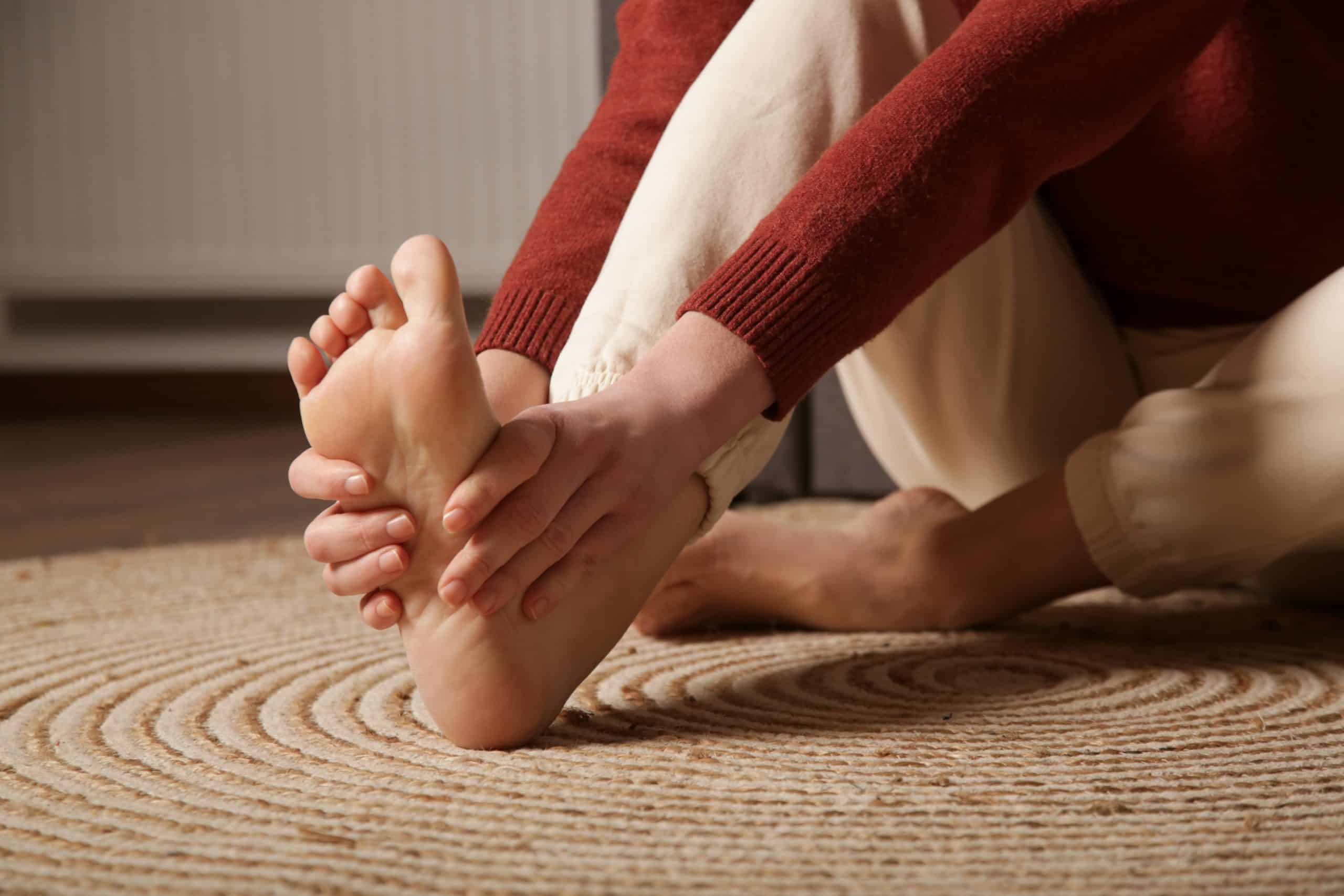
Close-up of a patient receiving a radial shockwave therapy massage on their foot at a holistic clinic.

With one in five Americans suffering from chronic pain, finding effective relief is more important than ever. Innovative treatments, like radial shockwave therapy, are helping those with chronic pain live life more comfortably. 

At Lakes Foot & Ankle Associates in Commerce Township, MI, we offer radial shockwave therapy to treat a variety of conditions, including chronic pain. We’ve compiled some information about this treatment and how it can benefit you. 

What is Radial Shockwave Therapy?

Radial shockwave therapy is a non-surgical treatment that uses sound waves to increase circulation to the treated area. This, in turn, triggers your body’s natural healing response and helps to regenerate damaged tissue.

Administered on a weekly basis by a trained technician, each treatment takes approximately five minutes. Depending on your specific condition and the areas being treated, you can expect to receive a series of five treatments.

Side Effects of Radial Shockwave Therapy

Due to its noninvasive nature, radial shockwave therapy requires no downtime and has minimal side effects. While it is typically painless, you may experience slight discomfort and bruising for a day or two after the treatment. 

If you have any concerns about potential side effects, please let your podiatrist know. We can answer any questions you may have and help you determine your risk of side effects associated with this treatment.

Results of Radial Shockwave Therapy

The results of radial shockwave therapy can vary depending on the condition and areas being treated. Many patients report experiencing immediate pain relief after just one session. 

However, most find their symptoms improve gradually over the course of treatment. Your podiatrist can discuss more specific treatment timelines with you during your initial consultation.  

Which Conditions Can Radial Shockwave Therapy Treat?

When seeking medical treatment of any kind, you want to know that the option you are choosing is an effective one. Over two decades of research have proven that radial shockwave therapy is effective in treating a variety of conditions, including: 

Chronic Pain

Pain can become chronic for many reasons, often due to continued microtrauma to already injured tissue. As an injury persists and your body is not able to fully heal itself, the healing process can become dormant.

By using sound waves to trigger an inflammatory response and introducing fresh microtrauma while supporting your body’s healing appropriately, we can help patients become pain-free.

Plantar Fasciitis

Plantar fasciitis is a common heel pain condition resulting from inflammation and trauma to the tissue that connects the heel bone to the base of the toes known as the plantar fascia. 

Many factors can cause this damage, but some common causes are overuse, an injury, or medical conditions like obesity. Chronic plantar fasciitis can also lead to permanent changes or thickening of the fascia as the condition worsens over time. 

Radial shockwave therapy uses sound waves to heal soft tissue like that which causes this condition. However, it is important to also take preventative measures like wearing proper footwear and resting after long periods of activity. 

Tendon Injuries

Tendons are tissues that connect muscles to bones. They give you precise control of your feet, joints, and limbs. When injured, it can impact your mobility and overall quality of life. Radial shockwave therapy helps to heal your tendons, allowing you to move more comfortably and recover from injuries faster. 

Neuritis

When a nerve is pinched, it can swell, leading to a condition called neuritis. This condition can cause pain and discomfort, especially while walking or moving the affected area. Reducing the swelling through radial shockwave therapy helps to alleviate this discomfort. 

Who is a Candidate for Radial Shockwave Therapy?

While most people who are experiencing chronic pain could benefit from radial shockwave therapy, it is not recommended for those:

  • Who are pregnant
  • Under the age of 18
  • Who have a blood clotting disorder
  • Experiencing an infection

Regardless of the condition being treated, we can help you determine whether you are a candidate. If not, we can help you explore alternative treatment options based on your specific needs. 

Learn More About Radial Shockwave Therapy at Lakes Foot & Ankle

If you think you could benefit from radial shockwave therapy, consider scheduling a consultation at Lakes Foot & Ankle Associates. Our team specializes in treating various conditions through radial shockwave therapy. 

To learn more about this treatment option, call our office in Commerce Township, MI, at (248) 453-2288 or contact us online to schedule an appointment. We can help you find the relief from chronic pain you’ve been looking for. 

Get Radial Shockwave Therapy at Lakes Foot & Ankle

When you are experiencing chronic pain, you want to find fast, safe, and effective relief. Radial shockwave therapy at Lakes Foot & Ankle in Commerce Township, MI, may be an option for you. For more information about this treatment, call (248) 453-2288 or contact us online to schedule a consultation with our podiatrists. 

Share This

Related Posts

A woman massages her aching feet, wondering how to relieve bunion pain without surgery.

Bunion Pain Relief Without Surgery: What Works & What Doesn’t

If you want to relieve bunion pain without surgery, you’re likely dealing with daily discomfort that makes walking, standing, or…

Radial Shockwave Therapy

Radial Shockwave Therapy

Radial Shockwave Therapy in Commerce Township

At Lakes Foot & Ankle Associates, our goal is simple: help you stay active, mobile, and confident on your feet. Led by Dr. Dan Shanahan, DPM, and Dr. Jennifer Petronella, DPM, our Commerce Township podiatry team takes a patient-centered, evidence-based approach to foot and ankle care, focusing on advanced treatments that support healing without surgery whenever possible.

Radial Shockwave Therapy, also known as extracorporeal shockwave therapy (ESWT), is one of the advanced, non-surgical options we offer for patients dealing with chronic foot pain, heel pain, and tendon injuries that haven’t responded to rest, stretching, or traditional therapies.

This treatment stimulates the body’s natural healing response, reduces chronic inflammation, and addresses the underlying cause of pain rather than simply masking symptoms.

Request an Appointment

What conditions can be treated with RSWT?

Radial shockwave treatment is commonly used in podiatry to address persistent soft-tissue and tendon-related pain in the foot and ankle. It is especially helpful for patients whose symptoms have lingered despite conservative care.

RSWT may be recommended for conditions such as:

  • Plantar Fasciitis: A leading cause of heel pain, including chronic plantar fasciitis and heel spur–related discomfort.
  • Achilles Tendinitis: Ongoing Achilles tendon pain and overuse injuries, particularly in runners and active individuals.
  • Morton’s Neuroma: Nerve-related pain in the forefoot that causes burning, tingling, or the sensation of standing on a pebble.
  • Diabetic Neuropathy & Other Nerve Pain: Certain cases of nerve irritation where improving circulation and tissue health may help reduce symptoms.
  • Other Chronic Foot & Ankle Conditions: Including soft tissue injuries, calcific tendinitis, and chronic inflammation affecting mobility and comfort.

Your podiatrist will determine whether shockwave therapy for foot and ankle conditions is appropriate based on your diagnosis, symptoms, and overall health.

How does RSWT work?

With chronic foot or ankle pain, the body’s normal healing response can slow down or stall completely. Over time, the injured tissue receives less blood flow, inflammation becomes persistent, and pain lingers even though the original injury may no longer be obvious.

Radial shockwave therapy works by delivering controlled acoustic pressure waves into the affected soft tissue. These waves create a mild, targeted micro-stimulation that “reawakens” the body’s natural healing process. In response, the body increases circulation to the area and releases healing-focused biochemical signals that support tissue repair.

This process helps:

  • Stimulate the formation of new microscopic blood vessels
  • Improve oxygen and nutrient delivery to damaged tissue
  • Reduce chronic inflammation
  • Promote collagen production and tendon healing

Rather than masking pain, RSWT supports the body’s ability to heal itself, making it an effective non-surgical shockwave therapy option for chronic foot pain, tendon injuries, and heel pain conditions treated in podiatry.

The Science Behind RSWT

Radial Shockwave Therapy is supported by extensive clinical research and is widely used to treat chronic foot pain, tendon injuries, and soft tissue conditions. As a form of extracorporeal shockwave therapy (ESWT), it delivers controlled acoustic pressure waves into injured tissue, stimulating increased blood flow, collagen production, and the release of healing-focused growth factors.

This biological response helps address the root cause of pain rather than simply masking symptoms, making shockwave therapy effective for conditions like plantar fasciitis, Achilles tendinitis, heel spurs, and calcific tendinitis.

One of the key advantages of radial shockwave treatment is its minimal recovery time. Most patients return to normal activities the same day, with only mild, temporary soreness as the healing process is activated. This makes shockwave therapy an appealing option for active individuals, runners, and athletes seeking relief without extended downtime.

Shockwave Therapy vs Surgery

For many foot and ankle conditions, surgery is not the first or only option. Shockwave therapy for foot pain is often recommended as a non-surgical treatment for chronic tendon and soft tissue injuries that have not responded to rest, physical therapy, orthotics, or other conservative care.

By stimulating the body’s natural healing response, radial shockwave therapy can help reduce pain and improve function without incisions, anesthesia, or extended recovery time.

Compared to surgery, extracorporeal shockwave therapy (ESWT) offers several advantages:

  • No surgical risks such as infection or scar tissue
  • Little to no downtime, with most patients returning to normal activity quickly
  • Lower disruption to daily life and work schedules
  • A focus on healing tissue rather than removing or altering structures

Surgery may still be appropriate in cases involving severe structural damage, complete tendon tears, or when non-surgical treatments have not provided adequate relief. At Lakes Foot & Ankle Associates, shockwave therapy is used as part of a thoughtful, step-by-step approach, helping patients explore effective non-surgical options first while ensuring surgical care is available when it’s truly the best solution.

Is Shockwave Therapy Right for You?

Shockwave therapy may be a good option if you’re dealing with chronic foot or ankle pain that hasn’t improved with initial treatments such as rest, stretching, activity modification, or supportive footwear. It is most commonly recommended for tendon and soft tissue injuries that have lingered for several months and continue to interfere with walking, exercise, or daily activities.

In many cases, shockwave therapy is used alongside physical therapy, not instead of it. Physical therapy focuses on improving strength, flexibility, and movement patterns, while radial shockwave treatment helps stimulate healing within damaged tissue and reduce chronic inflammation. When combined, these therapies can support more complete and lasting recovery, especially for conditions like plantar fasciitis, Achilles tendinitis, and overuse injuries.

Shockwave therapy may not be appropriate for everyone. A thorough evaluation by a podiatrist is essential to confirm the diagnosis, rule out conditions that require different treatment, and determine whether non-surgical shockwave therapy is the right next step. At our pediatry clinic in Commerce Township, treatment recommendations are always personalized, with the goal of choosing the option that best supports healing, mobility, and long-term foot health.

Frequently Asked Questions About Shockwave Therapy

Most patients describe radial shockwave treatment as uncomfortable rather than painful. The sensation is often compared to a firm tapping or pulsing over the affected area.

What to know:

  • Discomfort levels vary depending on the condition being treated and tissue sensitivity
  • Treatment intensity can be adjusted for comfort
  • Sessions are brief, typically lasting only a few minutes
  • Any discomfort usually decreases as the area begins to heal

The goal of shockwave therapy for foot pain is to stimulate healing while keeping treatment well-tolerated.

The number of ESWT treatment sessions varies based on the condition, severity, and how long symptoms have been present.
Most patients require:

  • 3–5 treatment sessions, typically spaced about one week apart
  • Fewer sessions for mild or early conditions
  • Additional sessions for long-standing or chronic inflammation

Your podiatrist will customize the treatment plan and adjust it based on how your body responds.

Some patients notice improvement within the first few sessions, while others experience gradual relief over several weeks.

Typical response timeline:

  • Early reduction in pain or stiffness after 1–2 treatments
  • Continued improvement as tissue healing progresses
  • Full benefit is often felt weeks after the final session, as biological repair continues

This delayed improvement is expected and reflects how shockwave therapy effectiveness depends on stimulating natural healing rather than providing instant symptom relief.

For many patients, yes. Non-surgical shockwave therapy is commonly used before considering surgery for chronic tendon and soft tissue injuries.
Shockwave therapy may be appropriate if:

  • Pain has not improved with rest, stretching, or orthotics
  • Imaging does not show a complete tendon tear
  • The goal is to avoid surgical downtime and risks

Surgery may still be recommended in certain cases, and your podiatrist will help determine the most appropriate next step based on your diagnosis and lifestyle.

One of the biggest advantages of shockwave therapy recovery time is that it is minimal. Most patients can:

  • Resume normal daily activities immediately
  • Return to work the same day
  • Experience mild soreness for 24–48 hours

High-impact activity may be temporarily modified, especially for runners or athletes, but extended rest is rarely required.

Side effects are typically mild and temporary. Possible short-term effects include:

  • Localized soreness or tenderness
  • Mild swelling or redness
  • Temporary bruising in sensitive areas

Serious complications are rare when shockwave therapy for foot and ankle conditions is performed by trained providers. Your podiatrist will review your medical history to ensure the treatment is safe and appropriate for you.

Yes. Shockwave therapy for athletes and shockwave therapy for runners is often used to address overuse injuries while minimizing downtime. Because the treatment stimulates healing rather than requiring prolonged rest, it can be especially helpful for active individuals.
Athletes often benefit from shockwave therapy because it:

  • Targets chronic inflammation without surgery
  • Allows a faster return to modified activity
  • Helps treat tendon injuries caused by repetitive impact
  • Reduces reliance on pain medications or injections

Activity modifications may be recommended during treatment, but most patients remain mobile throughout the process.

Yes. One of the primary benefits of shockwave therapy for chronic inflammation is its ability to restart the body’s healing response when inflammation has become persistent. Chronic inflammation often occurs when:

  • Blood flow to the tissue is reduced
  • Healing has stalled over time
  • Scar tissue limits normal function

Shockwave therapy improves circulation and cellular activity in the affected area, helping break the cycle of ongoing inflammation and discomfort.

In many cases, extracorporeal shockwave therapy (ESWT) is considered an advanced, non-surgical treatment and may not be covered by traditional insurance plans. What patients should know:

  • Coverage varies by insurance provider and policy
  • Out-of-pocket costs are typically discussed upfront
  • Payment options may be available

Our team at Lakes Foot & Ankle Associates will review your options and help you understand what to expect before starting treatment.

Shockwave therapy offers a non-surgical way to address the root causes of foot and ankle pain by stimulating healing in damaged tissue. The benefits vary slightly depending on the condition being treated, but all focus on improving function, reducing pain, and supporting long-term recovery.

Shockwave therapy for heel pain & plantar fasciitis

  • Reduces chronic inflammation in the plantar fascia
  • Improves blood flow to poorly healing tissue
  • Helps relieve morning heel pain and stiffness
  • Supports long-term improvement rather than short-term symptom masking

Shockwave therapy for Achilles tendinitis & Achilles tendon pain

  • Stimulates collagen production within the tendon
  • Encourages healing in overused or degenerated tendon tissue
  • Reduces tendon stiffness and activity-related pain
  • Helps active patients return to movement with less discomfort

Shockwave therapy for chronic foot pain

  • Restarts stalled healing in long-standing injuries
  • Improves tissue quality in areas with poor circulation
  • Addresses pain that hasn’t responded to rest or standard care

Shockwave therapy for tendon and soft tissue injuries

  • Targets damaged tendons, ligaments, and fascia
  • Promotes new blood vessel formation in injured tissue
  • Helps resolve persistent pain from overuse or repetitive stress

Shockwave therapy for nerve pain

  • May help reduce irritation in certain nerve-related foot conditions
  • Improves tissue health around affected nerves
  • Can lessen burning, tingling, or pressure-related discomfort

Overall, foot pain shockwave treatment is designed to support the body’s natural healing process without surgery, injections, or extended downtime. For many patients, it provides a safe and effective way to reduce pain, restore mobility, and get back to daily activities with greater comfort.

Take the Next Step Toward Lasting Foot Pain Relief

If chronic foot or heel pain is limiting your mobility, radial shockwave therapy may offer an effective, non-surgical solution. Our podiatrists take the time to understand your symptoms, explain your options, and create a personalized treatment plan designed to support healing and long-term comfort.

Whether you’re dealing with plantar fasciitis, Achilles tendon pain, or another foot or ankle condition, our team is here to help you move forward with confidence. Schedule a consultation at our Commerce Township office to find out if shockwave therapy is right for you and take the next step toward healthier, pain-free feet.

Share This

Related Posts

A woman massages her aching feet, wondering how to relieve bunion pain without surgery.

Bunion Pain Relief Without Surgery: What Works & What Doesn’t

If you want to relieve bunion pain without surgery, you’re likely dealing with daily discomfort that makes walking, standing, or…

Back To Top